


Extreme Haunted House Illinois: Hours, Tickets and Visitor Tips
The fear is only half the decision. Before choosing an extreme haunted house in Illinois, you need to know when it’s open, how far it is from Aurora and Naperville, how tickets and coupons work, and whether the experience suits your group. Those practical details shape the night before the first shadow moves.
This guide brings the essentials into focus: seasonal hours, location, ticket options, coupon details, age guidance, and what visitors encounter inside. You’ll get a clearer sense of the experience’s intensity, too, so you can decide whether you’re ready to step through the entrance or would rather keep your night less unsettling. Read on, plan your visit, and know what awaits before the darkness closes in.
Table of Contents
1. 2026 Halloween-season dates and hours
For the 2026 Halloween season, plan around the attraction’s dated calendar and listed operating hours. A seasonal haunt doesn’t necessarily open every night, so the month alone won’t tell you when to go. Choose your intended date first, then match your travel plans to that night’s hours.
Build the visit around the schedule, not the other way around. Start by identifying a date that works for your group, then note the listed opening time and any entry instructions for that date. If you’re coming from Chicago, Aurora, or Naperville, allow your route and arrival plan to fit the specific evening.
Hours matter beyond the time you reach the entrance. They shape when to leave, how much time to allow for travel, and whether dinner or other plans fit before or after the visit. Check the schedule for your chosen operating night rather than assuming every date follows the same hours.
Parking, transportation, and cancellation policies depend on the venue’s access arrangements and ticket terms. Plan parking around the designated site access, transportation around your route and event hours, and cancellation decisions around the conditions attached to your ticket.
For a smoother arrival, save the event date and hours with your ticket details. Map the route from your starting point, whether that’s downtown Chicago or the western suburbs. Decide who’s driving and where your group will meet before setting out. These steps matter most on a night when several people are coordinating separate schedules.
Keep the evening flexible around the posted hours. A late arrival can compress the plans you made before entering, while an early arrival can leave your group waiting. Set a meet-up point, keep the ticket information accessible, and make sure everyone knows the planned route. For visitors travelling with friends from different suburbs, share the same date and arrival plan.
The central rule is simple: use the 2026 date and hours for the night you intend to visit. Don’t rely on a general Halloween-season assumption when arranging transportation or meeting friends. That small planning step turns a vague autumn outing into a practical plan, with the schedule, route, and ticket terms considered together before the night begins.
3. Online tickets, coupons, and sold-out nights
Online ticket planning starts with the date, not the discount. Choose the night your group can attend, then select the matching entry option during checkout. A Saturday plan, for example, needs a Saturday ticket. A coupon cannot make a ticket for another date fit your schedule.
Before paying, read the checkout details from top to bottom. Confirm the event date, entry choice, and any instructions shown with the order. Check that the final page reflects the selection you intended. Save the confirmation where your group can find it, such as an email folder or phone wallet.
Coupons need the same careful read. Look for the offer’s eligible dates, ticket types, and any restrictions before applying its code. A promotion might exclude a particular night or entry option. If the checkout total doesn’t change after entering a code, review its terms and your selected date instead of assuming the discount applied.
Ticket availability can shift as people choose the same popular nights. Halloween-season dates and weekends may draw more interest than quieter dates, so build your plan around the night that matters most. If a preferred date becomes unavailable, consider another listed date that works for your group. Don’t rely on arriving at the entrance to solve an online availability problem.
Use this sequence to keep checkout clear:
Choose the date that fits your schedule.
Select the entry option that matches your plans.
Apply a coupon only after reviewing its terms.
Check the confirmation for the date and selection.
For a group coordinating from Chicago, Aurora, and Naperville, agree on the date before anyone buys. That prevents mismatched plans and makes it easier to share the confirmation details. If a friend uses a coupon, make sure the offer applies to the same night and ticket selection as the rest of the group.
Keep the confirmation accessible on the night of the event. A saved email or screenshot can help you retrieve your order without searching through old messages. If your plans change, use the cancellation terms attached to the ticket as your guide. Coupon conditions and ticket terms can affect what options apply.
Ready to compare the available entry choices for your night? Review the haunt ticket options as you plan your visit.
4. Age recommendation
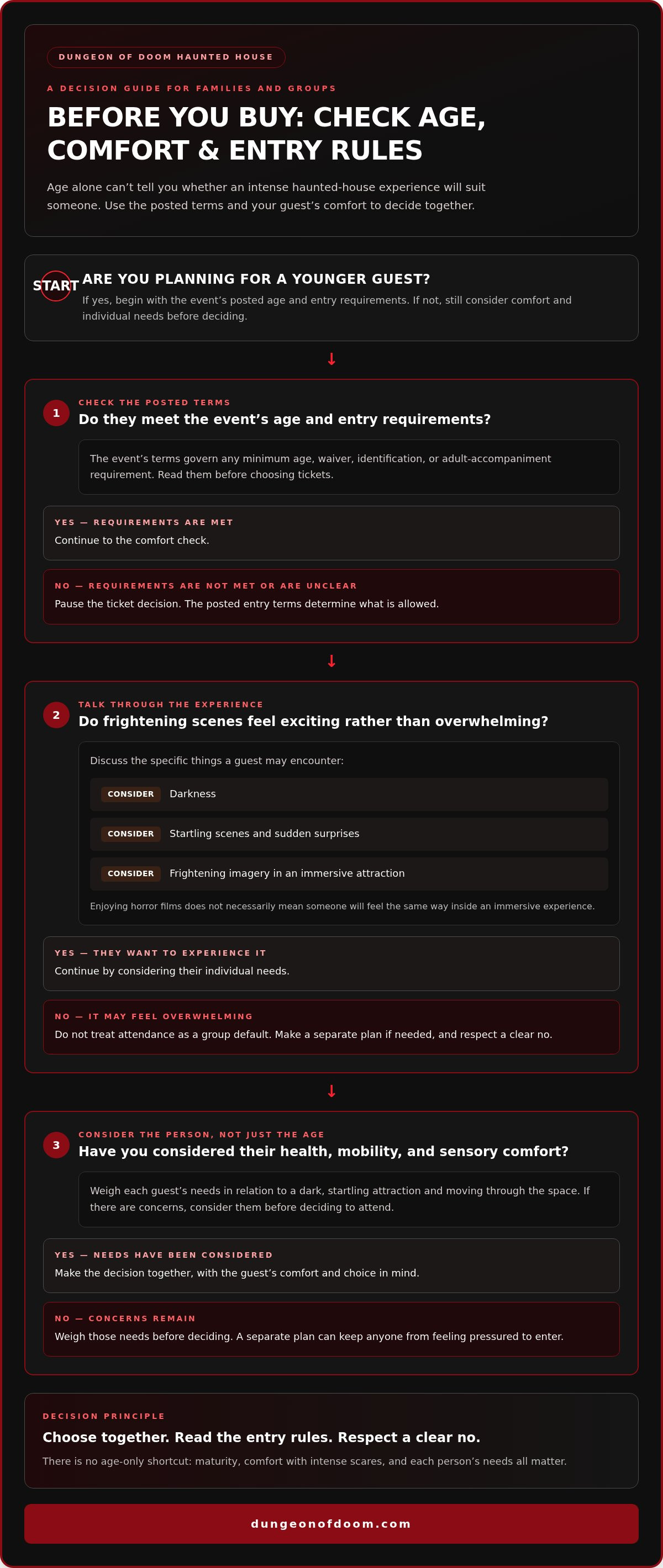
Age suitability depends on maturity and comfort with intense scares. The event’s posted terms govern any minimum age, waiver, identification, or adult-accompaniment requirement. Read those entry rules before choosing tickets for a younger guest.
A child’s age alone doesn’t show whether the experience will feel manageable. Consider how they respond to darkness, startling scenes, and frightening imagery. A teenager who enjoys horror films may still react differently inside an immersive attraction. Talk through what to expect before making plans.
For families, decide together rather than treating attendance as a group default. Ask each person whether they want to enter, and respect a clear no. If one guest feels uncertain, make a separate plan so nobody feels pressured to cross the threshold.
Safety and accessibility require individual judgment. Consider each guest’s health, mobility, and sensory comfort in relation to a dark, startling attraction. If a person has concerns about intense stimuli or moving through the space, weigh those needs before deciding to attend.
Use a simple conversation before buying tickets:
Ask whether frightening scenes feel exciting or overwhelming.
Discuss how the guest handles darkness and sudden surprises.
Consider mobility and sensory needs within your group.
Read the event’s age and entry terms together.
Keep the discussion specific. “Do you like scary movies?” may not answer whether someone wants an in-person experience. Ask whether they’re comfortable being surrounded by frightening scenes rather than watching them on a screen. A clear conversation helps each person make an informed choice.
Waivers and other entry conditions are practical details, not small print to leave until arrival. Review the event terms while planning, especially when a minor is attending. Make sure the responsible adult understands any applicable instructions, and that each guest knows what the visit involves before leaving home.
Accessibility also deserves advance thought. A guest may enjoy horror but need to consider movement, sensory intensity, or other personal limits. Discuss those factors as a group and decide whether the experience suits everyone attending. Don’t use another person’s confidence as a substitute for their own comfort.
The right age recommendation is ultimately a readiness decision, guided by event entry rules and individual tolerance. A younger guest who feels pressured may have a very different night from one who actively wants the scare. Choose with honesty. Let each person’s comfort, health, and access needs shape the plan.
Requirements are attraction-specific, so confirm the applicable age limit and any documentation or adult-supervision conditions before purchasing.
Discuss the experience with your group before attending, especially if someone is unsure about intense scares.
5. Illinois haunted house visitor experiences
No single Illinois haunted house can be named objectively as the scariest. Compare each attraction’s advertised intensity, sensory effects, themes, and entry details instead of relying on rankings or reputation alone.
Consent forms and physical-contact rules depend on the individual attraction. Read its entry terms for required forms, permitted interaction, and any restrictions before deciding to attend.
Experience length and intensity vary by attraction. The route, scenes, pacing, and sensory effects shape how a visit feels, so a walk-through can’t be judged by its theme alone.
That distinction matters across Illinois. A historic setting can create dread through atmosphere and story, while a theatrical haunt may focus more on staged scares and dramatic effects. Pollak Hospital in Bartonville treated tuberculosis patients from 1949 through 1973, a documented history that gives the site a different context from a fictional horror setting. History and theatrical design can both unsettle visitors, but they create different expectations.
For a group travelling from Chicago, Aurora, or Naperville, compare the experience in practical terms. Think about whether you prefer a story-led setting, an intense sensory environment, or theatrical scenes. A friend who enjoys suspense may respond differently from someone who prefers sudden, close-up scares. Agree on what your group wants before choosing a destination.
Intensity is personal. Darkness, sound, close staging, and unexpected encounters can affect guests differently. One visitor may find a shadowy corridor unnerving; another may react more strongly to loud effects. Consider which elements make your group tense, then look for clear descriptions of the attraction’s style.
Use these questions to compare experiences:
Does the attraction emphasize history, fictional storytelling, or theatrical scares?
What sensory effects or interactions does its description mention?
Are contact expectations and consent requirements clear in its entry terms?
Does your group want sustained suspense or sudden startling moments?
Duration deserves the same care as intensity. The route and pace of scenes shape the time spent inside, while waiting and arrival plans affect the wider outing. Use the attraction’s own visitor information for its stated experience length, and avoid treating one haunt’s timing as a guide to another’s.
The best comparison is the one that fits your group, not an online label. A history-focused experience may suit guests drawn to real places and past events. A theatrical haunt may appeal more to people seeking staged horror. Match the format, intensity, and entry rules to your comfort level before committing.
There is no standard runtime or intensity level across attractions. Use each haunt’s stated duration and description of its effects to set expectations.
5. What is the most extreme haunted house in Illinois?
There’s no objective statewide winner for the most extreme haunted house. “Extreme” depends on what unsettles you: sustained suspense, sudden scares, dark surroundings, or intense theatrical scenes. For an extreme haunted house in Illinois, compare the experience’s stated style with your group’s limits, not just its boldest promotional phrase.
Start with the attraction’s own description. Separate details about atmosphere, story, sensory effects, and interaction. A fictional storyline may build dread through anticipation, while startling effects can create sharper bursts of tension. Those approaches aren’t interchangeable, and visitors can find different elements more intense.
Then compare the experience with your own reactions. If sudden sounds unsettle you more than suspense, prioritize descriptions that explain the attraction’s style. If your group prefers atmosphere, look for story and setting details. A useful comparison asks what kind of fear each experience emphasizes, rather than assuming one label means the same thing everywhere.
Travel plans can help narrow the choice. Someone leaving Chicago may weigh a different route than visitors starting in Aurora or Naperville. First decide how far your group wants to travel. Then compare attractions that fit the route and the style of scare you want. Distance alone doesn’t measure intensity.
Use these criteria to make a grounded comparison:
Scare style: Look for descriptions of suspense, startling moments, or theatrical scenes.
Atmosphere: Consider whether darkness, setting, or story drives the experience.
Interaction: Read the attraction’s stated rules about guest participation and contact.
Group fit: Discuss which elements your companions enjoy or find overwhelming.
Don’t treat a ranking, nickname, or dramatic claim as a universal verdict. One visitor’s most frightening night may be another’s manageable outing. Compare specific descriptions and entry rules, then decide which experience best fits your group’s appetite for fear.
That’s the clearest answer: Illinois has no single, measurable “most extreme” choice for every visitor. The strongest match is the attraction whose stated style aligns with your preferred scares, comfort level, and plans. Make that comparison before committing, especially if your group has different expectations.
Ready to choose an experience that fits your appetite for scares? Explore the haunt experience and plan your visit.
Dungeon of Doom Haunted House: General Admission Tickets
Dungeon of Doom Haunted House offers General Admission Tickets for visitors ready to plan a night of scares. If you’ve compared experience styles and want to choose an entry option, start with General Admission. VIP Tickets and Special Event Tickets are also available for visitors considering those options.
Match your selection to your plans, then review the ticket details for the event you want to attend. Choosing an entry type is a practical next step once your group has considered its comfort with intense scares and settled on a visit.
Visit Dungeon of Doom Haunted House online to review ticket options and plan your visit.
Choose Your Night and Step Into the Dark
The right night begins with a decision about what you want to feel. Choose the kind of fear that calls to you, then make a plan that gives your group room to enjoy it. An extreme haunted house in Illinois isn’t just a stop on an autumn itinerary; it’s a shared test of nerves, anticipation, and nerve again when the shadows close in.
Before you go, agree on the experience you want and make the outing part of the story. Let each person decide what they’re comfortable with. Then give the night your full attention. The best scares aren’t softened by hesitation or distraction. They arrive when you’re ready to enter.
Make your next move with Dungeon of Doom Haunted House. Visit Dungeon of Doom Haunted House to take the next step toward your night in the dark. Bring your people, trust your instincts, and get ready to face the fear together.
Frequently Asked Questions
Which Illinois haunted attractions offer intense or immersive experiences?
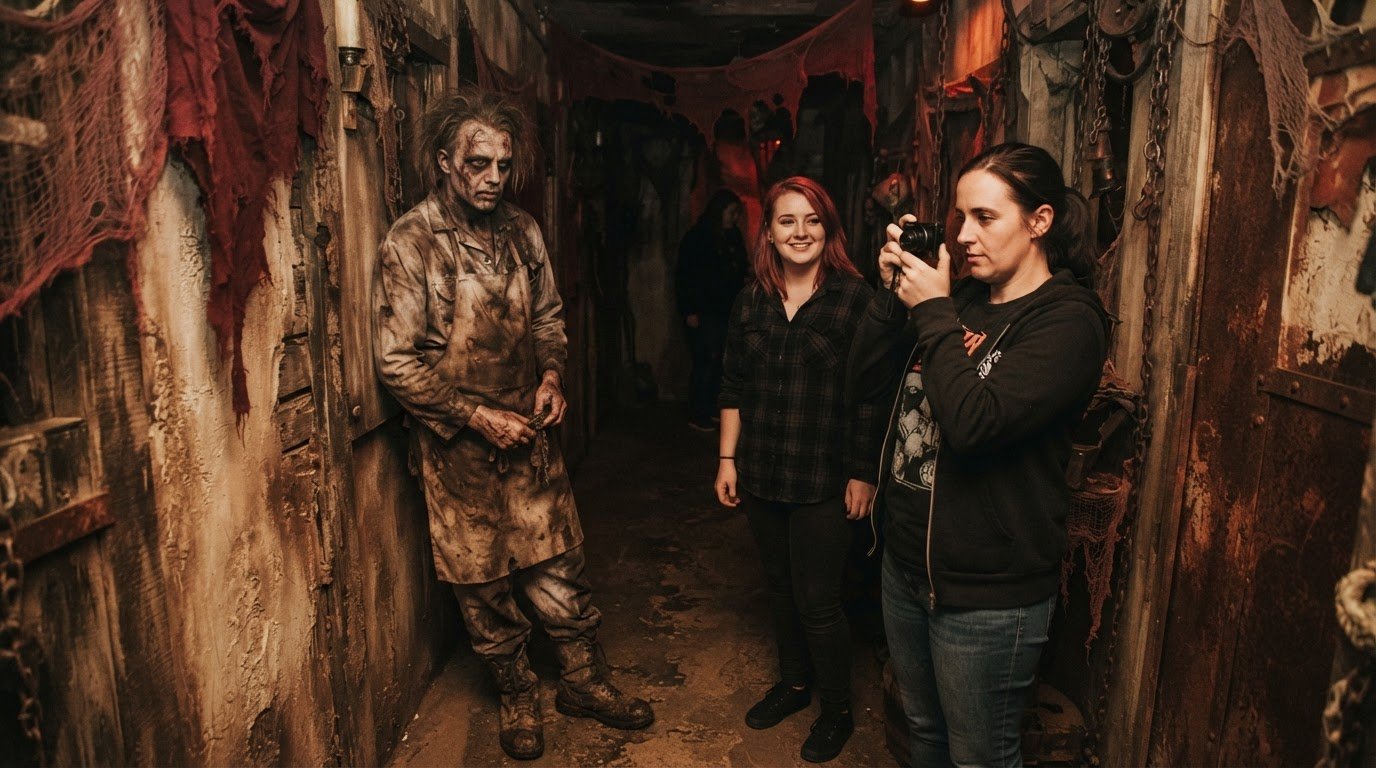
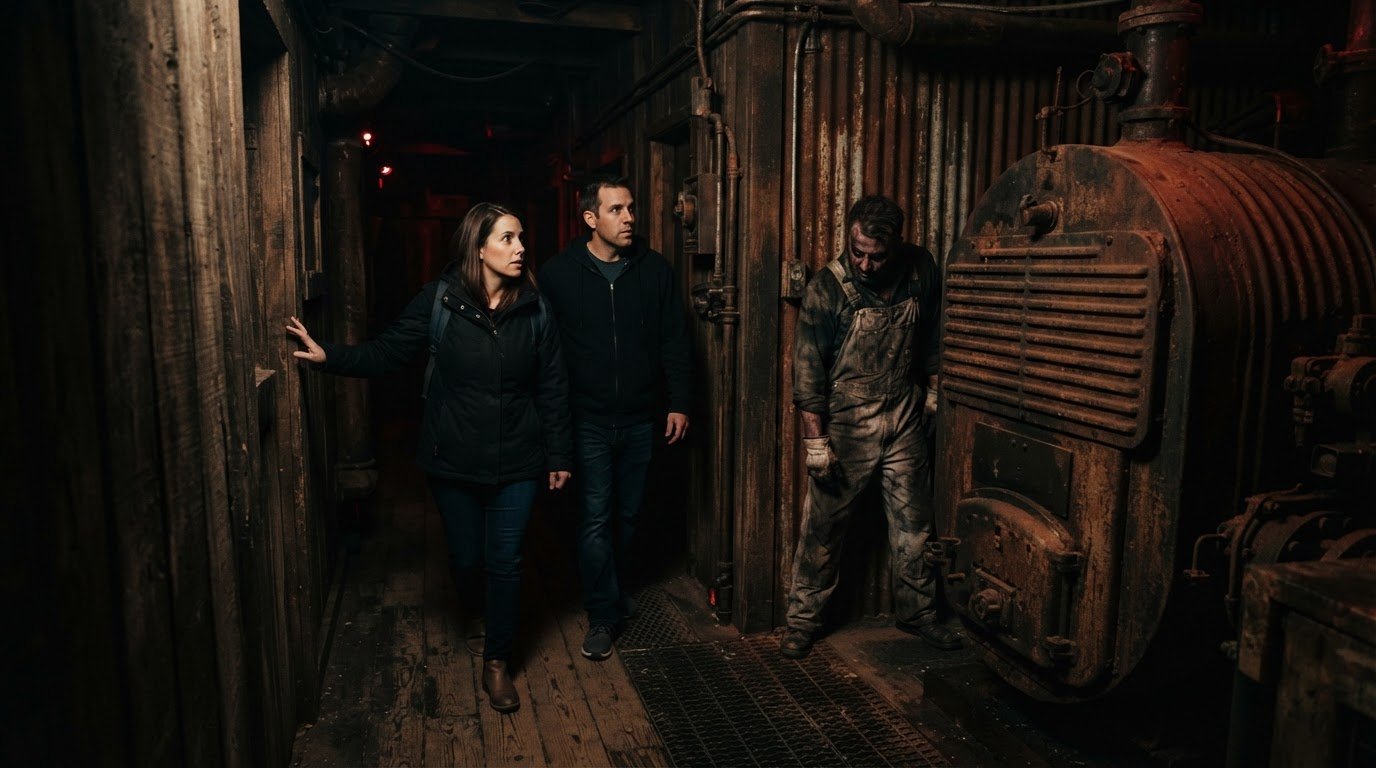
The Dungeon of Doom Haunted House in Zion offers an intense, immersive walkthrough, with professional-grade sets and a large cast of live actors. Visitors from Chicago and Milwaukee can weigh its elaborate staging, live performances, and continuous haunted-house experience against what they want from a night out. The attraction operates seasonally.
Where are extreme haunted houses in Illinois located?
Dungeon of Doom Haunted House is at 600 29th Street, Zion, Illinois 60099. That gives visitors from Chicago and Milwaukee a specific destination to enter into their route planning. Parking is on-site, and guests should follow posted road signs to designated street parking. Save the street address before leaving, then use the posted signs as you approach the venue.
When do Illinois extreme haunted houses open for the 2026 season?
Dungeon of Doom Haunted House is open during the 2026 Halloween season. General Admission tickets are valid for any public operating night during the 2026 season, without requiring a specific date or time. That flexibility can help visitors coordinating plans from Chicago or Milwaukee. Choose a public operating night that fits your schedule and arrive before the posted closing time.
How much do tickets cost, and what ticket options are available?
Ticket cost depends on the ticket type and purchase channel, so choose the option that fits your visit before completing checkout. Dungeon of Doom offers General Admission Tickets, VIP Tickets, and Special Event Tickets. General Admission is available online and on-site, while VIP and Special Event tickets are offered as distinct options. Compare the available ticket details to decide which best suits your plans.
How can visitors get tickets, and do they need reservations?
Visitors can purchase tickets online, and General Admission is also available on-site with cash or card. General Admission works for any public operating night during the 2026 season, so it doesn’t require a specific date or time selection. For an online order, a QR code on your smartphone is enough for entry; printing the ticket isn’t required. Arrive before the posted closing time.
Comments