


How to Craft Spooky Figurines and Glass Jar Mummy Lanterns
Updated: Nov 4
A convincing scare starts with details you can make yourself. Each creepy collectible project takes one hour, excluding paint and glue drying time, and a mummy lantern takes one hour, excluding Mod Podge drying time. That’s the craft of a good scare: eerie paintwork, rough cloth, and a glow that turns an ordinary jar into something that looks like it escaped the dark.
You don’t need elaborate tools to give figurines a more unsettling presence. A few deliberate marks can sharpen a face, deepen a shadow, or make a familiar shape feel wrong. The same principle transforms a glass jar: wrap it in first-aid cloth, build up the mummy texture, then let it dry overnight before attaching its paper face.
This guide walks you through both projects, from choosing the details that set the mood to finishing each creation with care. You’ll learn how to paint spooky figurines and turn a plain jar into a lantern with a bandaged silhouette. Work patiently. Let the layers dry. Then switch on the glow and see what stares back.
Table of Contents
What techniques make a horror story or film genuinely scary?
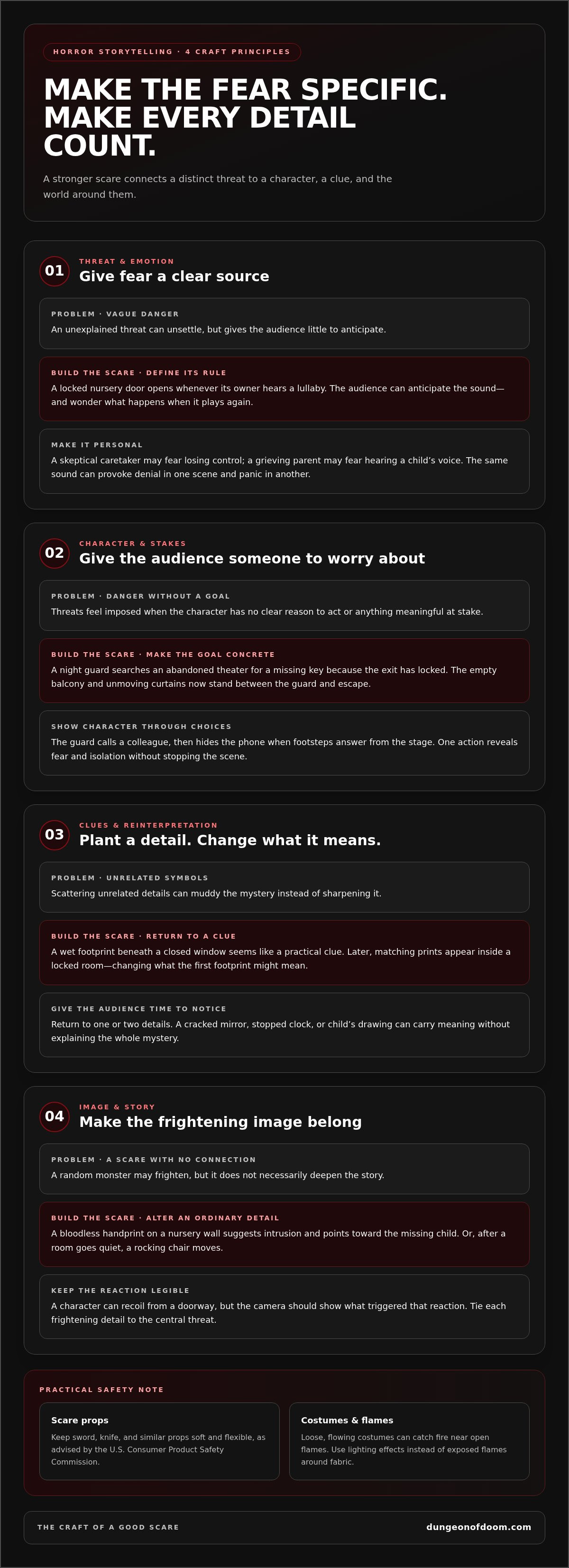
Give the fear a specific source. Choose one threat, then define what it wants and how it behaves. In a haunted-house story, a locked nursery door might open whenever its owner hears a lullaby. That rule gives each appearance meaning and gives the audience something to anticipate. Vague danger can unsettle, but a distinct threat raises a sharper question: what happens when the lullaby plays again?Make the threat personal to the character. A skeptical caretaker might fear losing control, while a grieving parent might fear hearing a child’s voice. Their reactions should differ. Let the same sound provoke denial in one scene and panic in another. The craft of a good scare depends on that emotional pressure, not merely on showing a frightening face.
Make the audience care about the person in danger. Give the character a clear desire before danger closes in. For example, a night guard searches an abandoned theater for a missing key because the exit has locked. The key gives the guard a concrete goal. The theater’s empty balcony and unmoving curtains become threats because they stand between the guard and escape.Use behavior to reveal character without stopping the action. The guard might call a colleague, then hide the phone when footsteps answer from the stage. That choice shows fear and isolation at once. Give characters distinct responses: one investigates, another refuses to enter, and a third notices a clue. Their decisions make the danger feel earned rather than imposed.
Plant clues, then change what they mean. Show a detail before it becomes frightening. A wet footprint beneath a closed window may seem like a practical clue. Later, matching prints appear inside a locked room. That second appearance changes the first clue’s meaning. Viewers can reconsider what they saw and recognize that the threat has been nearby all along.Keep clues fair and explanations controlled. A cracked mirror, a stopped clock, or a child’s drawing can carry meaning without explaining the whole mystery. Return to one or two details instead of scattering unrelated symbols. In a film, frame the mirror in the background while the character studies the clock. The audience has time to notice, doubt, and anticipate.
Make every frightening image serve the story. Choose details that reveal danger, character, or setting. A bloodless handprint on a nursery wall can suggest intrusion and point toward the missing child. A random monster has no such connection. Build the image from ordinary objects, then alter one detail: a rocking chair moves after the room goes quiet.Keep physical scares believable within the scene. A character can recoil from a doorway, but the camera should show what triggered that reaction. Use safe, flexible materials for sword, knife, and similar scare props; the U.S. Consumer Product Safety Commission advises that these props be soft and flexible. The Commission also warns that loose, flowing costumes can catch fire near open flames. Use lighting effects instead of exposed flames around fabric, and keep every frightening detail tied to the story’s central threat.
How do suspense, pacing, and timing create a good scare?
Give the audience a clear expectation, then disturb it. In a hallway scene, let a character hear three slow knocks from behind a closed door. The first knock establishes the pattern. The second confirms it. Before the third, let the character reach for the handle. Now the audience expects another knock, but the silence becomes the threat. Suspense grows because viewers can predict what might happen, yet can’t tell when it will.Build a pattern with sound, movement, or repeated behavior. A flickering lamp might dim whenever a character approaches the basement. A dog might stop barking at the same doorway each evening. Each return strengthens the signal. Then change one detail: the lamp stays bright, or the dog follows the character inside. That shift creates tension without a sudden attack.
Control how quickly information arrives. Reveal the threat in stages instead of explaining it all at once. In a stormbound hotel, a guest might find muddy footprints outside a locked room. Later, the prints appear inside. A torn guest register then links the room to a former resident. Each clue changes the danger. The audience keeps forming theories, and each new detail sharpens them.Let character action set the pace. A careful investigator might examine the register, compare its handwriting, then hear a knock from the locked room. An impulsive character might force the door immediately, rushing past evidence. Use those choices to shape the scene’s rhythm. Slow observation invites dread; hurried movement creates pressure. Avoid explaining the mystery while the character is still reacting to danger.
Use pauses as active beats. A pause works when viewers are waiting for a specific event. In a kitchen scene, a phone rings once, then stops. The character watches it. The next ring comes from inside a cupboard. Hold on the character’s hand before it reaches for the handle. That small delay builds anticipation around a simple action.Give each pause a purpose. Use silence after a loud crash to make the room’s stillness feel wrong. Let footsteps stop just outside a hiding place. Keep the camera with the character, not the unseen threat, so viewers can study each reaction. If a pause adds no new suspicion, clue, or decision, shorten it. Tension needs forward motion, even when nobody moves.
Place the reveal after the audience commits to a possibility. In a dark train carriage, show a shape reflected in the window. Let the passenger turn and find an empty seat. Then reveal the shape in the glass again, now standing closer. The first reveal answers one question but creates another. Surprise stays connected to the scene instead of appearing without preparation.Vary the release. Follow a tense corridor with a quiet conversation, then let an ordinary sound carry new meaning. A heater clicking off may expose a second set of footsteps. This contrast gives the audience room to reset before dread tightens again. To feel how pacing changes the body’s response, explore a haunted house walkthrough and notice how anticipation shifts from room to room.
How do lighting, camera angles, and visual effects create scares?
Reveal only the details that matter. In a cellar scene, let a bare bulb expose a chair, a drain, and one open doorway. Keep the far wall in shadow. The audience can map the room but can’t confirm what waits beyond the doorway. That uncertainty makes the visible objects feel charged. If the bulb swings, let its moving beam briefly expose a second chair facing the first.Give darkness a clear shape. Place a pale curtain against a dark window, or a bright exit sign above a blank corridor. These visual anchors help viewers understand where they are. Then remove one. If the exit sign dies after the character turns away, the familiar corridor becomes harder to read. Avoid hiding every detail, or the audience loses the clues needed to anticipate danger.
Use light to control attention. In a hospital scene, a narrow beam from a handheld flashlight can guide the viewer from a medicine cart to a half-open curtain. The beam becomes a moving frame. Keep the rest of the room dim enough to preserve uncertainty, but show the character’s hands and immediate path. That contrast lets viewers scan the darkness alongside the character.Change the lighting for a reason. A cold overhead fixture can make a tiled examination room feel exposed, while a warm desk lamp can isolate a handwritten note. When the lamp flickers, reveal a new detail instead of repeating the same effect. For example, the note’s ink appears smeared when the light returns. The shift connects atmosphere to story, rather than using color as decoration.
Choose camera angles that shape vulnerability. A high-angle shot looking down on a child crossing a school gym can make the empty floor feel vast. Keep the doors visible at the far end. The audience sees the distance the character must cover, while the elevated viewpoint makes the figure seem exposed. A low-angle view of the same room might instead make the bleachers loom overhead.Move the camera with intention. A slow push toward a closet door can make a small sound feel significant, because the frame gives the door more space. A locked-off shot creates a different kind of unease. Hold on a kitchen doorway while a character speaks offscreen, then let a shadow cross the wall behind it. Avoid restless movement that obscures where the threat might enter.
Make visual effects obey the scene’s physical rules. In a mirror sequence, show a reflection that lags behind the actor’s movement. Keep the mirror, actor, and reflected space aligned across shots. If the reflection changes position, viewers can track the violation. A digital effect feels more disturbing when it breaks one clear rule than when it transforms the whole image without warning.Combine practical details with digital finishing where each serves a purpose. A fogged bathroom mirror can carry a message written by a fingertip, while subtle compositing can make the final letter appear after the character leaves. Match the effect to the room’s light and texture. A floating figure should cast a believable shadow if other objects do. Consistency gives the impossible image weight, and the craft of a good scare depends on making it feel rooted in the scene.
What makes a jump scare effective rather than cheap
Prepare the audience before the sudden event. Give viewers a reason to watch one place closely. In a laundromat scene, a dryer stops turning while its door stays shut. The character notices, then approaches. Hold attention on the dark glass, not every corner of the room. When a hand strikes the inside of the door, the shock grows from an established expectation. Without that setup, the same sound may startle, but it won’t feel connected to the story.Plant a clue that makes sense afterward. A damp footprint beside the dryer might suggest someone is hiding nearby. Let the audience see it before the character does. That gap creates anticipation. The reveal rewards attention instead of relying only on volume.
Choose a trigger that belongs in the scene. A slammed door can work if a draft, a hidden figure, or a character’s action explains it. In an old school, a locker door might snap shut as a student passes. Earlier, show the locker standing open and its metal frame trembling. The sudden movement then grows naturally from the setting.Match the trigger’s intensity to the danger. A quiet bedroom may need only a phone lighting up with an unknown caller. A collapsing ceiling calls for a larger physical event. If every scare uses a crash, a scream, and a creature lunging toward the camera, those signals blur together. Vary sound, movement, and scale so each jolt has a distinct cause.
Let the scare change what happens next. After a shadow appears behind a shower curtain, don’t simply cut away. Make the character respond: they pull the curtain, find the tub empty, then notice the bathroom door has closed. The scare changes the character’s choices and the room’s meaning. That consequence keeps the scene alive beyond the instant of surprise.Use the aftermath to deepen the threat. A dropped flashlight might leave the character searching by phone light. A cracked mirror might distort the hallway behind them. Choose one consequence that raises a new problem. If the story resumes unchanged, the scare feels disposable, like a loud interruption rather than an event with weight.
Give the audience time to reset. Follow a violent reveal with a quieter action that still carries tension. After a figure appears at the end of a corridor, let the character back into a lit kitchen and reach for a glass of water. Keep the corridor visible behind them. The pause lowers the immediate intensity while preserving the question of whether the figure moved.Don’t stack identical jolts. If a barking dog startles the character, let the next beat depend on what the dog does. It might refuse to cross a doorway or stare beneath a table. This response renews suspense without another sudden noise. Contrast gives the next major scare room to land.
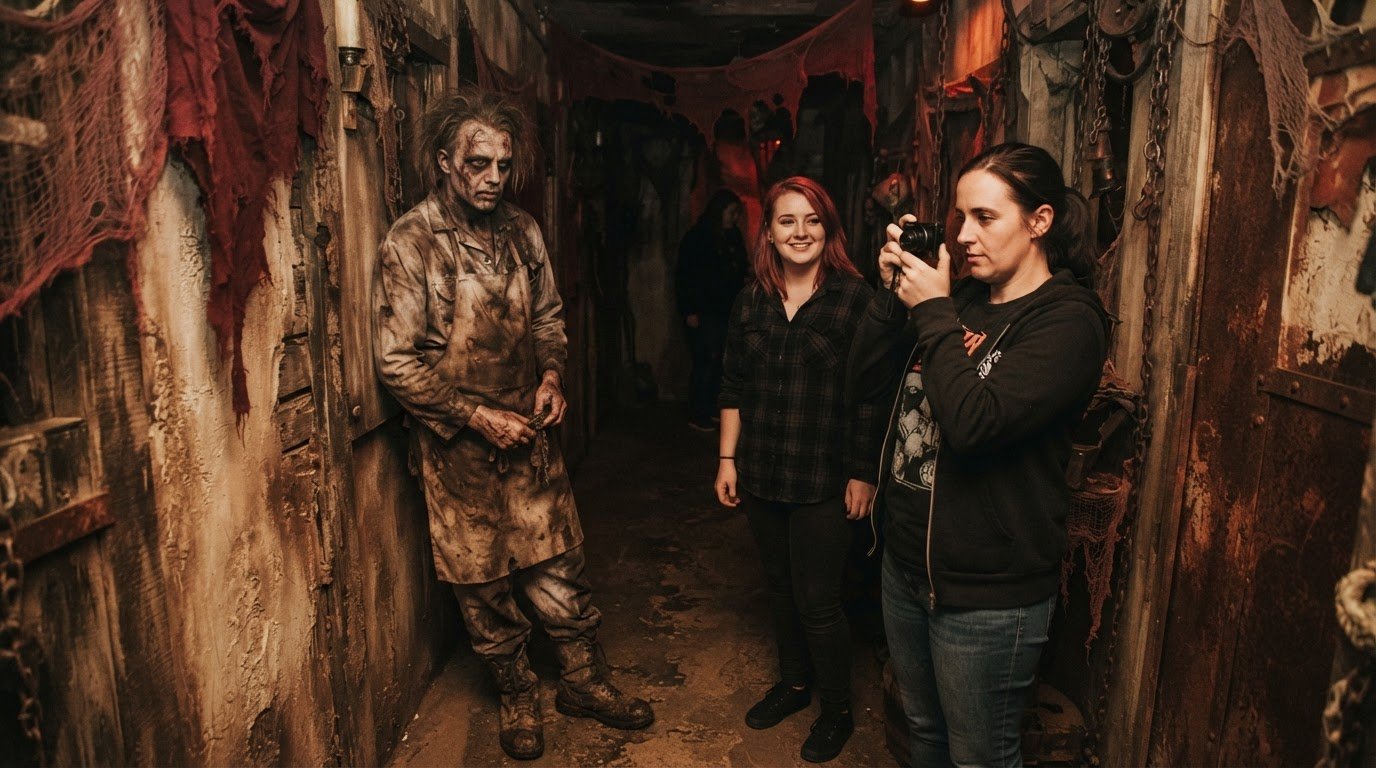
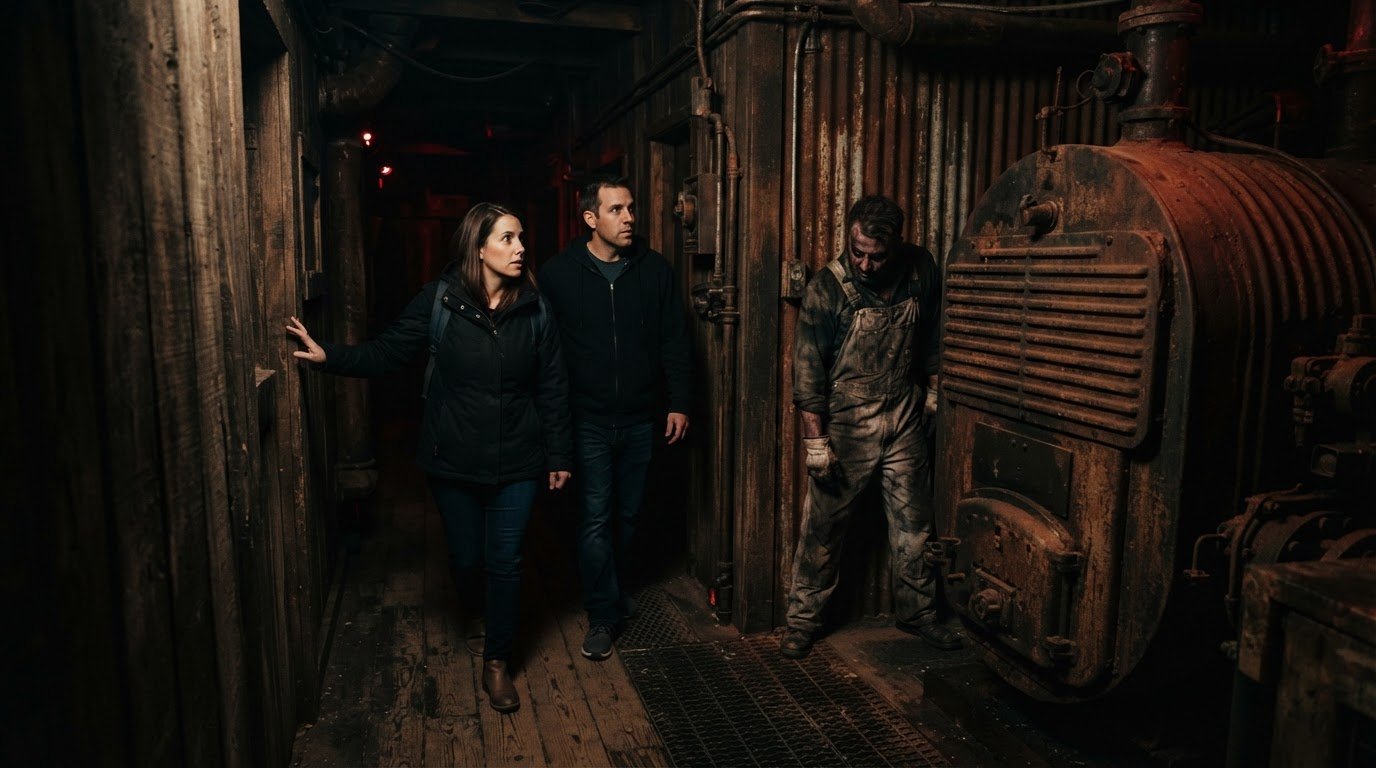
Test the reveal from the audience’s point of view. In a film edit, check whether viewers can identify the threat after it appears. If a rapid cut hides the shape entirely, the moment may register as noise instead of fear. Show enough of the figure’s outline, movement, or location to make the danger legible. In a haunted scene, a hand emerging from under a bed can be clearer than an indistinct blur.Use sound to sharpen, not replace, the image. A chair scraping across a tiled floor can make a visible movement feel harsher. Keep the effect tied to the action on screen. To experience how physical staging and timing work together, step into a live haunted house.
Dungeon of Doom Haunted House: General Admission Tickets
Dungeon of Doom Haunted House turns suspense into an immersive live walkthrough, with professional-grade sets and a large cast of actors shaping the experience. Choose General Admission to enter the haunted attraction and face its shifting scenes firsthand.
For a different ticket option, Dungeon of Doom Haunted House also offers VIP Tickets and Special Event Tickets. These choices suit visitors planning a seasonal night around live horror rather than studying its techniques on screen. The atmosphere is built through space, performance, and carefully staged scares, bringing the principles of timing and visual tension into a physical setting.
Visit dungeonofdoom.com to explore ticket options and plan your visit.
Carry the Atmosphere Beyond the Craft Table
Your finished figurine or mummy lantern can be the first glimpse of a larger Halloween mood. Place it where guests will encounter it unexpectedly, then build the surrounding space with deliberate shadows, sound, and quiet. For prop makers and crafters sending delicate pieces to clients or events, utilizing custom foam inserts for shipping helps protect fragile textures and details. Let each detail invite a closer look. The craft of a good scare doesn’t end when the paint dries; it lives in the anticipation you create around what people might see next.
For a step from making eerie details to experiencing a full haunted attraction, choose the visit that suits your plans. Dungeon of Doom Haunted House offers General Admission, VIP Admission, and Special Event Tickets for Chicago and Milwaukee visitors. Each offers a way to enter the atmosphere rather than build it at home.
Explore tickets and plan your visit. Then bring your imagination, follow the shadows, and let the next scare find you.
Frequently Asked Questions
What does “the craft of a good scare” mean?
It means shaping fear through purposeful choices that guide an audience’s attention and expectations. The craft of a good scare connects atmosphere, character, and reveal so each detail advances the moment. For example, a door left ajar may become unsettling when its hinges fall silent as someone approaches. That deliberate shift captures the craft of a good scare: the scene changes, and a new question takes hold.
Comments